Software vs. Hardware Technical Writing: Key Differences Every Technical Writer Should Know
When explaining complex systems, technical writers rely on clear logic, user-centric structure, and precise terminology. However, documenting software and hardware functionalities requires fundamentally different mindsets, workflows, and tools.
While software documentation often focuses on virtual states, quick release iterations, and interactive user interfaces, hardware documentation deals with physical constraints, safety compliance, structural assembly, and irreversible real-world impacts.
Whether you are transitioning from software to hardware writing—or managing an engineering team across both domains—here are the major differences between documenting software and hardware functionalities.
1. Physicality, Tangibility, and Visuals
Software
Software functionality exists in a digital, abstract space. Users interact with applications via user interfaces (UI), command-line interfaces (CLI), or APIs.
- Visual Representation: Software docs primarily rely on UI screenshots, wireframes, sequence diagrams, and code snippets.
- Spatial Context: Spatial relationships rarely matter beyond on-screen navigation (e.g., "Click the top-right menu").
Hardware
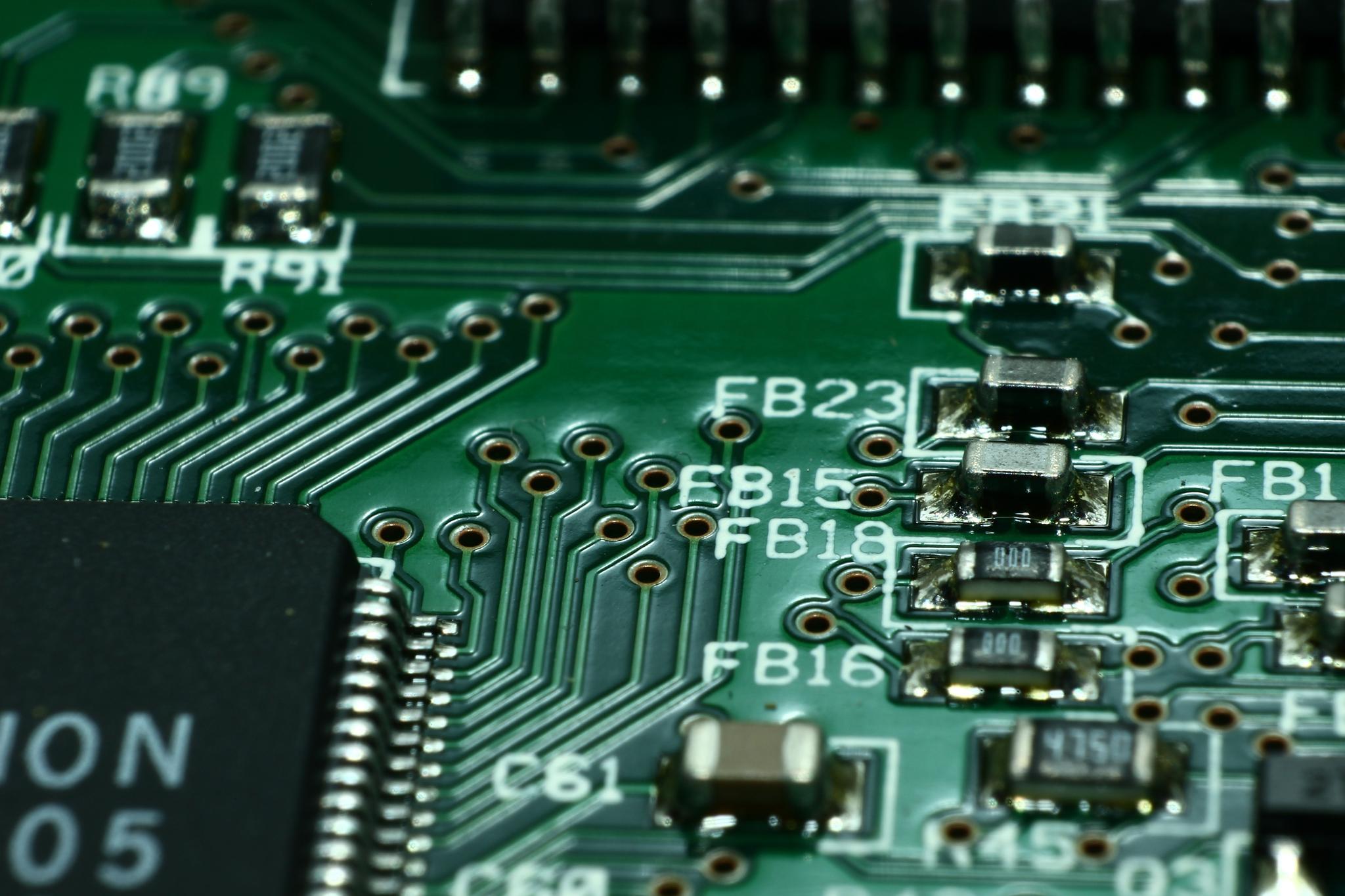
Hardware functionality involves physical components, moving parts, connectors, indicators, and environmental factors.
- Visual Representation: Hardware docs depend heavily on high-resolution photography, exploded view diagrams, schematics, CAD renders, pinout diagrams, and line art.
- Spatial Context: Physical geometry is critical. Clear orientation (e.g., "front panel," "rear I/O board," "pin 1 indicator") is essential to ensure components are correctly installed or serviced without damage.
2. Release Lifecycles and Iteration Velocity
Software: Continuous Integration / Continuous Delivery (CI/CD)
- Agile Pace: Software undergoes frequent updates, daily builds, bug fixes, and continuous feature additions.
- Docs-as-Code Integration: Technical writers often embed directly in software development workflows using version-controlled text formats, Git, automated static site generators (Hugo, Docusaurus), and CI/CD pipelines.
- Update Capability: If a software feature changes or a bug is patched, documentation can be updated and deployed instantly online.
Hardware: Fixed Manufacturing Cycles & NPI
- Linear Stage-Gates: Hardware follows strict New Product Introduction (NPI) phases (e.g., EVT, DVT, PVT—Engineering/Design/Production Validation Testing).
- High Cost of Change: Once a PCB is fabricated or an enclosure mold is cast, changing the hardware is slow and expensive.
- Freeze Dates: Documentation must align with strict hardware freeze dates and part numbers. Once product units ship to customers, printed manuals or embedded firmware guides cannot be easily updated post-release.
3. Safety, Compliance, and Risk Management
Software
While software bugs cause user frustration or application crashes, safety risks are typically restricted to data security, privacy compliance (GDPR, HIPAA), or system uptime (unless writing for critical embedded medical or aerospace software).
Hardware
Hardware documentation operates under strict legal and physical safety standards.
- Hazard Warnings: Documentation must incorporate standardized safety notices (ANSI Z535 / ISO 3864) categorizing risks into DANGER, WARNING, CAUTION, and NOTICE.
- Physical Risks: Improper installation or maintenance can lead to electrical shock, mechanical injury, thermal burns, explosion, or chemical exposure.
- Regulatory Audits: Hardware manuals are legally binding compliance documents required for certifications such as CE, FCC, UL, or ISO.
4. Environment, Tools, and Prerequisites
Software Prerequisites
Software documentation assumes specific virtual environments:
- Operating systems, runtime environments (Node.js, Python versions), browser compatibility, API authentication keys, or dependencies.
Hardware Prerequisites
Hardware documentation requires physical preparation and environmental context:
- Tooling: Torque wrenches, soldering irons, ESD (Electrostatic Discharge) protection wrist straps, specific cable gauges.
- Environment: Operating temperature ranges, humidity levels, ventilation requirements, input voltage, and grounding specifications.
5. Maintenance, Troubleshooting, and Lifecycle Management
| Dimension | Software Documentation | Hardware Documentation |
| Primary Interaction | Inputs, API calls, navigation flows | Physical assembly, wiring, field replacement units (FRUs) |
| Troubleshooting | Log analysis, error codes, rollbacks | Multi-meter testing, LED status indicators, mechanical inspection |
| Deliverable Formats | Web portals, interactive API docs, embedded help | Quick Start Guides (QSGs), field service manuals, printable PDFs |
| Component Variation | Feature flags, software versions, build tags | Hardware revisions, bill of materials (BOM), model variants |
Summary: Bridging the Mindset Gap
To succeed in software documentation, a writer must excel at understanding data flow, abstraction, user workflows, and agile docs-as-code automation.
To succeed in hardware documentation, a writer must develop a keen spatial awareness, respect safety regulations, master technical graphics, and work closely with mechanical, electrical, and manufacturing engineers.
As embedded systems, IoT, and robotics continue to grow, the boundary between hardware and software writing is increasingly overlapping—making versatility across both domains a high-value skill for modern technical communicators.
Post a comment